
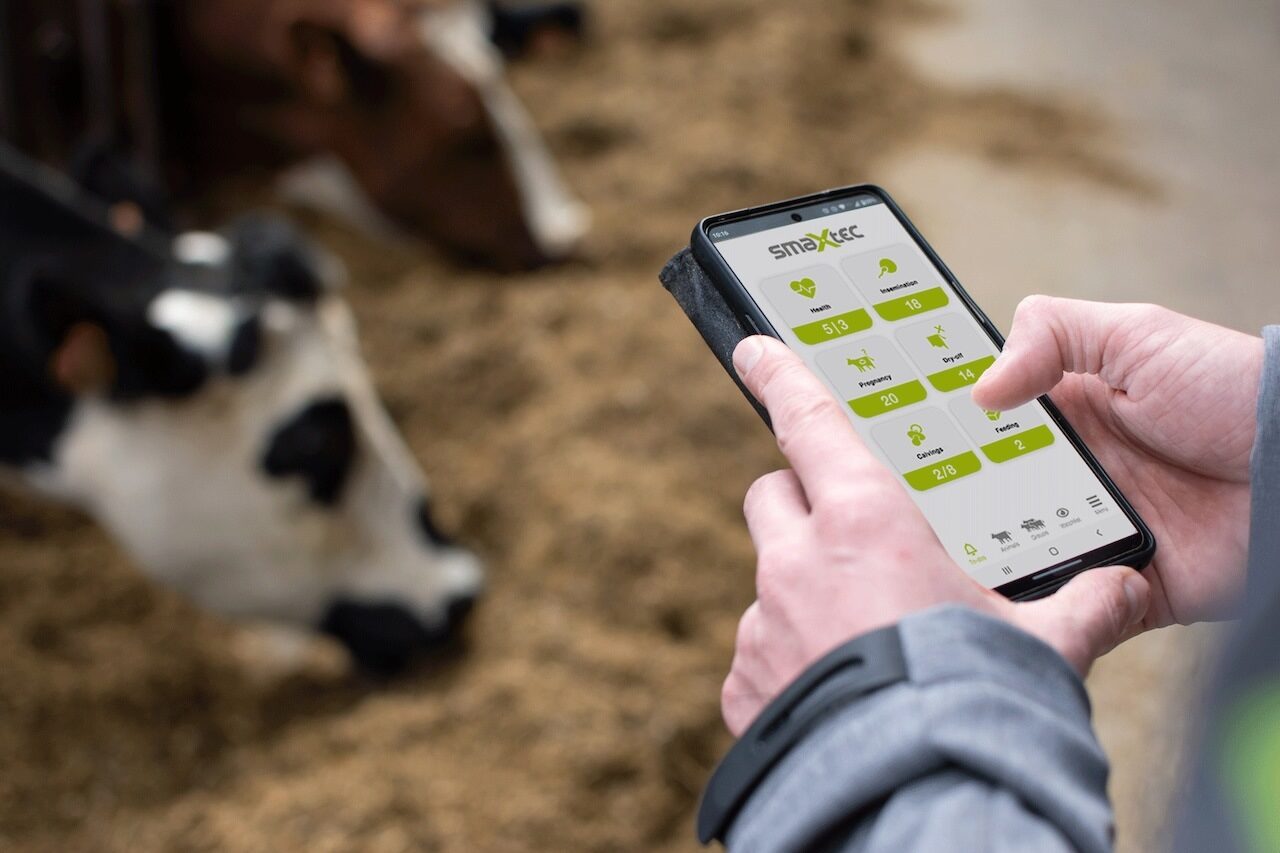
Farmers are being urged to utilise bolus technology during one of the most important stages in a dairy cow’s production cycle, the transition period.
According to smaXtec, which produces a bolus-based health management system, supporting cows more effectively from drying off through to the first days in milk can unlock significant health, labour and performance gains.
By using continuous internal monitoring technology, farmers can highlight disease concerns earlier, intervene sooner and streamline herd management. This is particularly important during a time of falling milk prices when farmers are looking for key efficiencies where they can.
For block-calving herds, she says the benefits are magnified. Calving alerts and health notifications reduce the need for constant visual observation, easing pressure during peak workload periods and enabling calving space to be used more efficiently.
Loretta Holder, customer success team lead at smaXtec, says: “The transition period is the highest risk stage of each lactation.
“The cow is going through huge physiological changes, there are feeding adjustments, group moves and management tasks all happening at once. It is a high-stress time for the cow and a very busy period for the farm team.”
smaXtec’s rumen bolus technology continuously monitors internal body temperature and rumination, enabling farmers to detect subclinical issues before outward signs appear. Changes in rumination can flag reduced or variable feed intake, which in turn may signal the early stages of metabolic disorders.
“Conditions such as ketosis and milk fever are often associated with freshly calved cows,” she explains. “But quite often, those metabolic instabilities begin before calving. By identifying temperature changes and rumination drops early, farmers can step in with nutritional or management support before the problem escalates.”
After calving, close monitoring of rumination and temperature can help ensure cows return to normal quickly. Early detection of retained placentas, metritis, mastitis or subclinical milk fever reduces the risk of long-term impacts on fertility and peak yield.
“Those first five days in milk are crucial,” Ms Holder adds. “If a cow does not get off to the right start, she will not reach her full production potential.”
That targeted approach is particularly valuable given ongoing labour shortages in the dairy sector.
Ms Holder says: “This technology is not a replacement for good stockmanship, it is a tool to help make the best use of skilled labour. Instead of checking every fresh cow as routine, farmers can concentrate on the individuals that data shows need support.”
Beyond individual cows, smaXtec also provides a whole-herd overview, enabling farmers and advisors to spot trends within transition groups.
“It’s not just about single alerts,” she explains. “If we see group rumination becoming unstable, that could indicate a feeding or management issue that needs addressing before it affects performance. Making small, practical changes and seeing their impact quickly helps farms keep improving.”
Related news:
