
Understanding what’s happening inside your oilseed rape crop has never mattered more. As growers continue to face fluctuating cabbage stem flea beetle (CSFB) pressure, simple onfarm monitoring can offer clarity—especially when seasonal variation leaves much of the picture uncertain.
Last year, a nationwide survey by United Oilseeds and NIAB gathered plant samples from hundreds of farms, helping to map larval pressure across the UK. That effort continues in 2026, but farmers don’t need to rely solely on largescale datasets. With a handful of inexpensive tools and a short session in the field, you can assess larval levels within your own OSR crop and make more informed soil and cropmanagement decisions.
A Simple, LowCost Kit
All you need to carry out DIY stem sampling is:
- A couple of black £1 buckets (black makes larvae far easier to spot than bright colours)
- A small piece of chicken wire
- A little water and a dash of washingup liquid
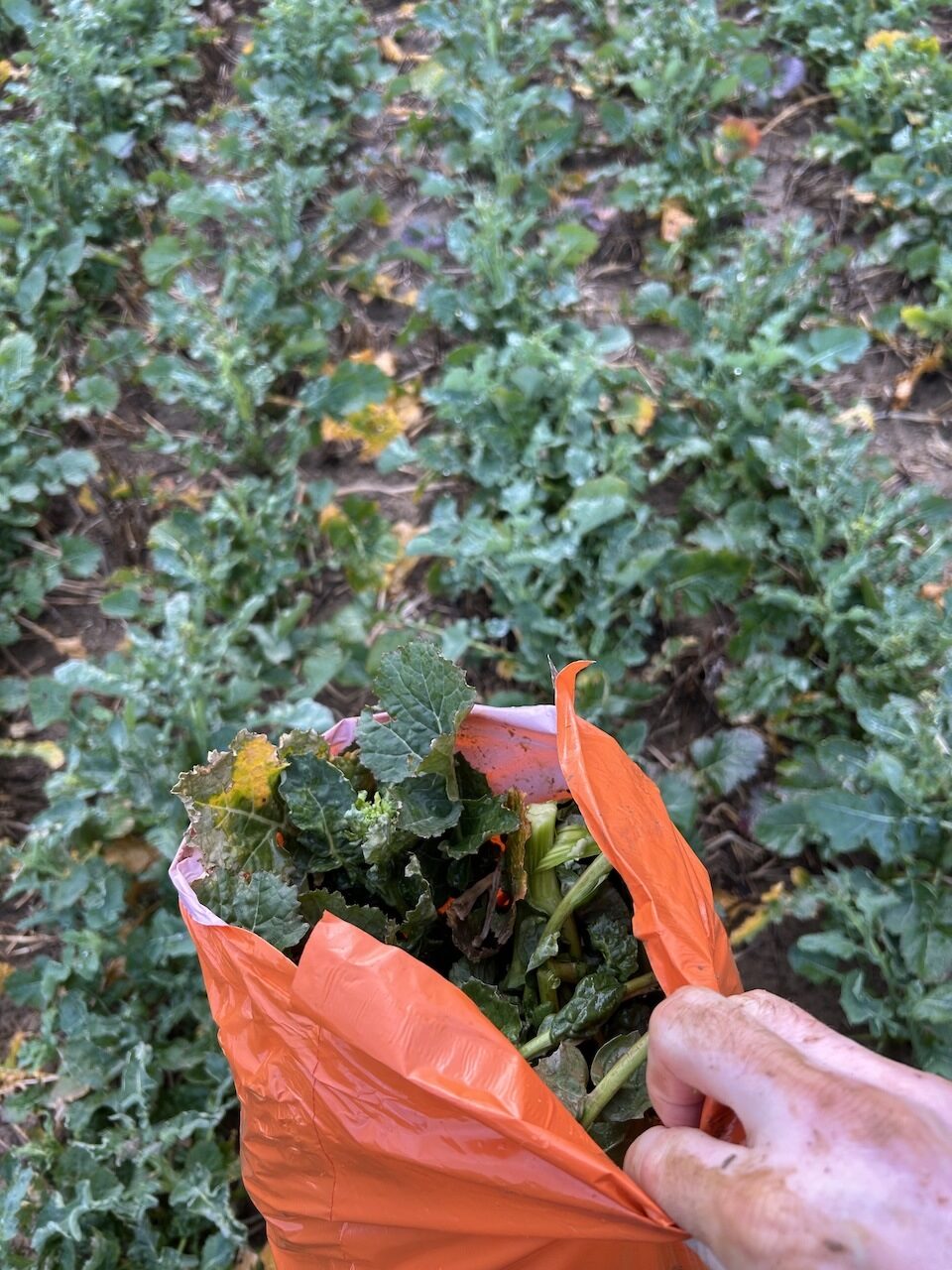
- Freshly cut OSR stems
That’s it—no lab, no specialist equipment, no added cost. NIAB’s Colin Peters demonstrates the process in a short video, showing just how straightforward it is to reveal what’s going on inside your crop’s stems.
Why Larval Monitoring Matters
Accurate knowledge of larval pressure supports better decisionmaking throughout the season. Last year’s national results indicated relatively low CSFB activity, echoing trends seen in autumn monitoring. But each season brings its own conditions, and pressures can rise or fall sharply depending on region and weather patterns.
By understanding your own fieldlevel situation, you can adjust management proactively:
- Low larval numbers provide reassurance—helping you maintain preferred drilling windows and avoid unnecessarily increasing seed rates.
- Higher larval pressure offers an early prompt to adapt nutrition, tweak growth regulation, or manage canopy structure to maintain crop resilience. It may also justify higher seed rates to compensate for expected losses.
Building Long-Term Field Knowledge
Repeating stem assessments each year creates a valuable dataset for your farm. Over time, you’ll build an understanding of how establishment strategies, soil conditions, and variety choice influence outcomes—linking plant performance directly back to field practices.
For additional support where pressure is higher, the industry’s 10 Shared Strategies for OSR Success provides practical guidance on establishment and crop resilience.
The Takeaway
A few stems, a bucket, half an hour: that’s all it takes to replace guesswork with evidence. In a crop where uncertainty has long been the biggest challenge, simple DIY monitoring allows growers to farm with greater confidence and clarity
Related news:
