
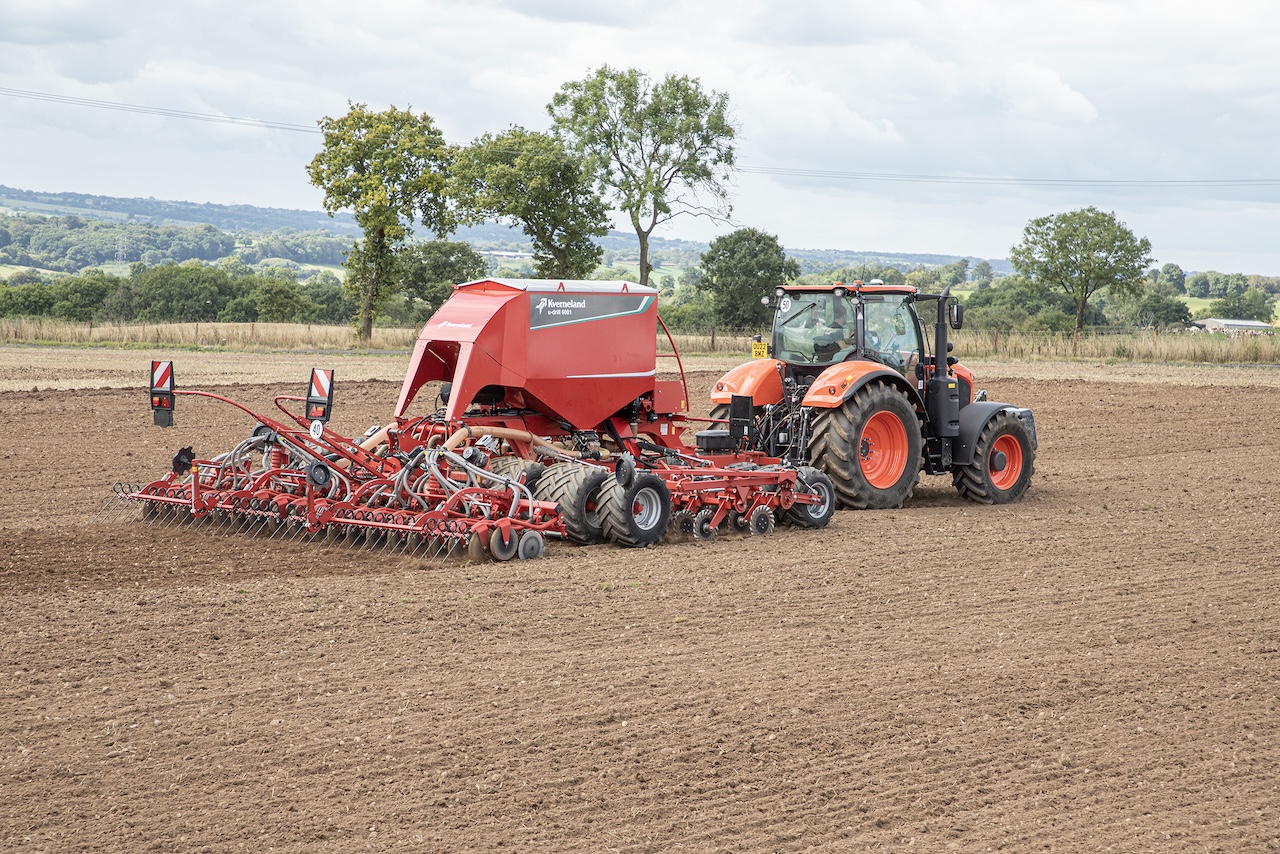
With the UK harvest being one of the earliest ever, many growers are already looking ahead to the new season and preparing for drilling of winter cereals. While this earlier drilling may help spread the workload, it significantly raises the risk of Barley Yellow Dwarf Virus (BYDV), warns Ruth Stanley of Sumitomo Chemical.
BYDV is the most important virus affecting UK cereal crops. It can be recognised by yellowing or reddening leaves, but by the time symptoms appear, significant damage may already have occurred. The virus stunts crop growth, reduces tillering and ultimately cuts yield potential – up to 60% in winter wheat and 50% in winter barley.
Aphids are the key vectors, particularly the bird cherry–oat aphid and grain aphid. The second generation poses the greatest risk, as these colonise new plants and spread infection quickly.
“The disease was largely controlled by the neonicotinoid seed dressing clothiadin (Deter) until December 2018, when use was banned in cereals. Now, with the loss of this chemistry and insecticide resistance developing in some pest species, along with warmer autumns and winters, it’s a widespread issue across the country,” explains Mrs Stanley.
BYDV develops when accumulated daily mean temperatures above 3°C reach T-Sum 170, with calculations beginning at crop emergence or after a pyrethroid spray.
“Milder autumns mean aphids stay active later into the year, and the absence of hard frosts allows them to survive longer, increasing the potential for multiple generations to develop. As a result, crops drilled early are especially vulnerable.”
“Crop monitoring in the autumn is useful, but in practice it’s difficult,” she adds. “The bird cherry–oat aphid in particular is very hard to spot – often mistaken for specks of dirt at the plant base – and can even remain active below ground.”
Aphids are especially drawn to the contrast between bright green emerging shoots and bare soil, meaning newly drilled crops are highly attractive. If mild temperatures persist into October and November, activity is likely to continue.
“Historically, crops drilled after mid-October rarely needed an insecticide because there were so few aphids present in early November,” says Mrs Stanley. “That’s not guaranteed anymore. If it’s 15°C in the sunshine, aphids will be flying – even if it feels cooler in the shade.”
While seed treatments provide around six weeks’ protection, in early-sown crops where warm weather extends aphid pressure, follow-up foliar sprays are often essential. “Once thresholds for aphids are reached and flights are underway, the use of a foliar insecticide becomes the most effective option,” she says.
To ensure effective control, accurate timing is critical. Tools such as AHDB’s BYDV Acrobat Model provide valuable guidance by tracking aphid activity and indicating when sprays should be applied.
Despite some resistance developing in aphid populations, pyrethroids remain the best form of control – but Mrs Stanley stresses that not all pyrethroids are equal. Among them, the active ingredient esfenvalerate from Sumitomo Chemical has proven to be the most effective choice.
“Its unique structure differentiates it from other pyrethroids on the market, delivering control in three ways – repellency, contact and ingestion – which means less active ingredient is needed for good levels of protection,” she notes.
Esfenvalerate has also been proven to be one of the safest pyrethroids for natural predators such as bees, and is non-toxic to worms and ground beetles, making it highly compatible with integrated pest management programmes. In addition, it offers improved persistence in the field.
“Most pyrethroids degrade at higher pH levels, or in alkaline soils, but this is not the case with esfenvalerate which remains active for up to 65 days after application under such conditions,” she explains. “Applied at the recommended rate of 165ml/ha, it has also demonstrated rainfast protection for around three weeks post-application.”
“With the ‘perfect storm’ of warmer conditions, earlier drilling and fewer chemical options, growers need to stay vigilant this autumn,” concludes Mrs Stanley. “Esfenvalerate, offers one of the most reliable and environmentally considerate options available to help protect cereal crops from the devastating effects of BYDV.”
Related news:
